GTA VI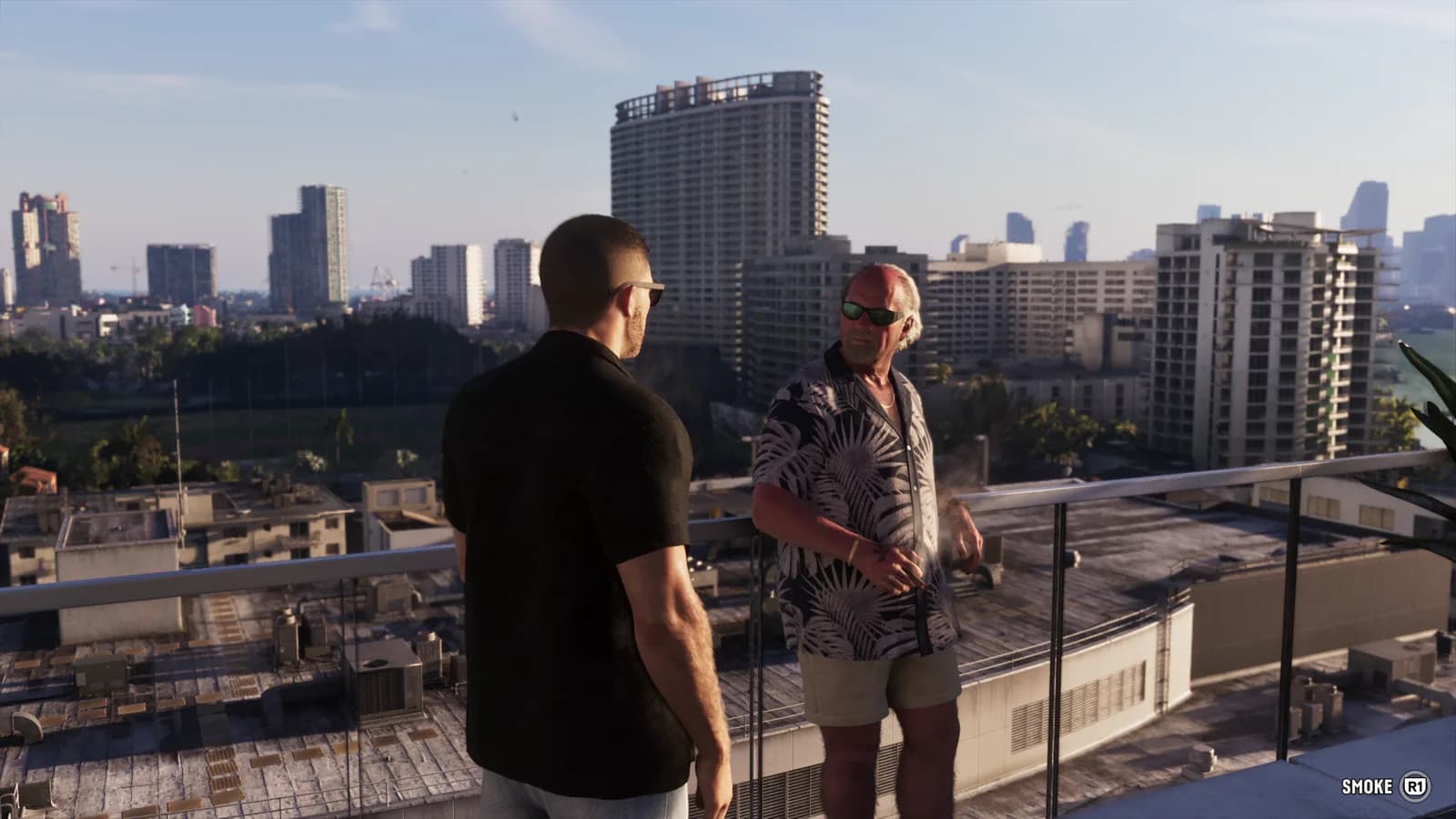
Performance analysis
GTA 6 on PS5: What the Extended Look Shows About Graphics and Performance
What Rockstar’s PS5-captured GTA 6 Extended Look can and cannot tell us about image quality, lighting, crowds, reflections, frame rate and console performance.
Overview
What this guide is for
Rockstar states that the entire Extended Look was captured in-game on PlayStation 5. That makes it valuable evidence of the target visual presentation on console, but a finished 4K upload cannot reveal every rendering setting or guarantee the launch frame rate. This analysis separates visible results from technical assumptions.
What “captured on PS5” actually confirms
The label confirms that the scenes came from a PlayStation 5 build rather than a high-end PC target render. It gives console players a credible look at image composition, world density, lighting and animation.
It does not disclose whether the build used a performance or quality mode, what internal resolution was used, or whether reconstruction and dynamic resolution were active.
Lighting, reflections, crowds and interiors
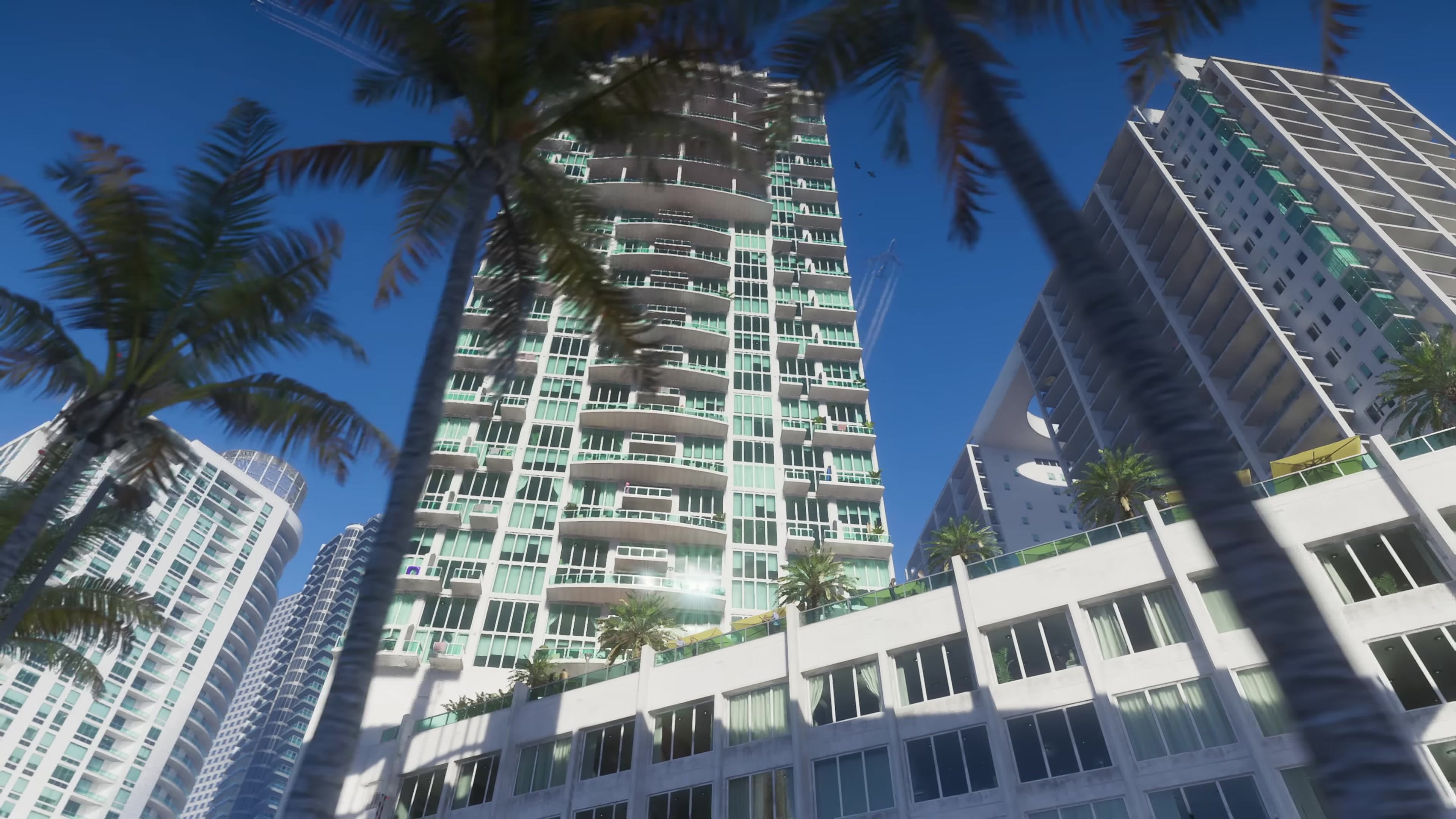
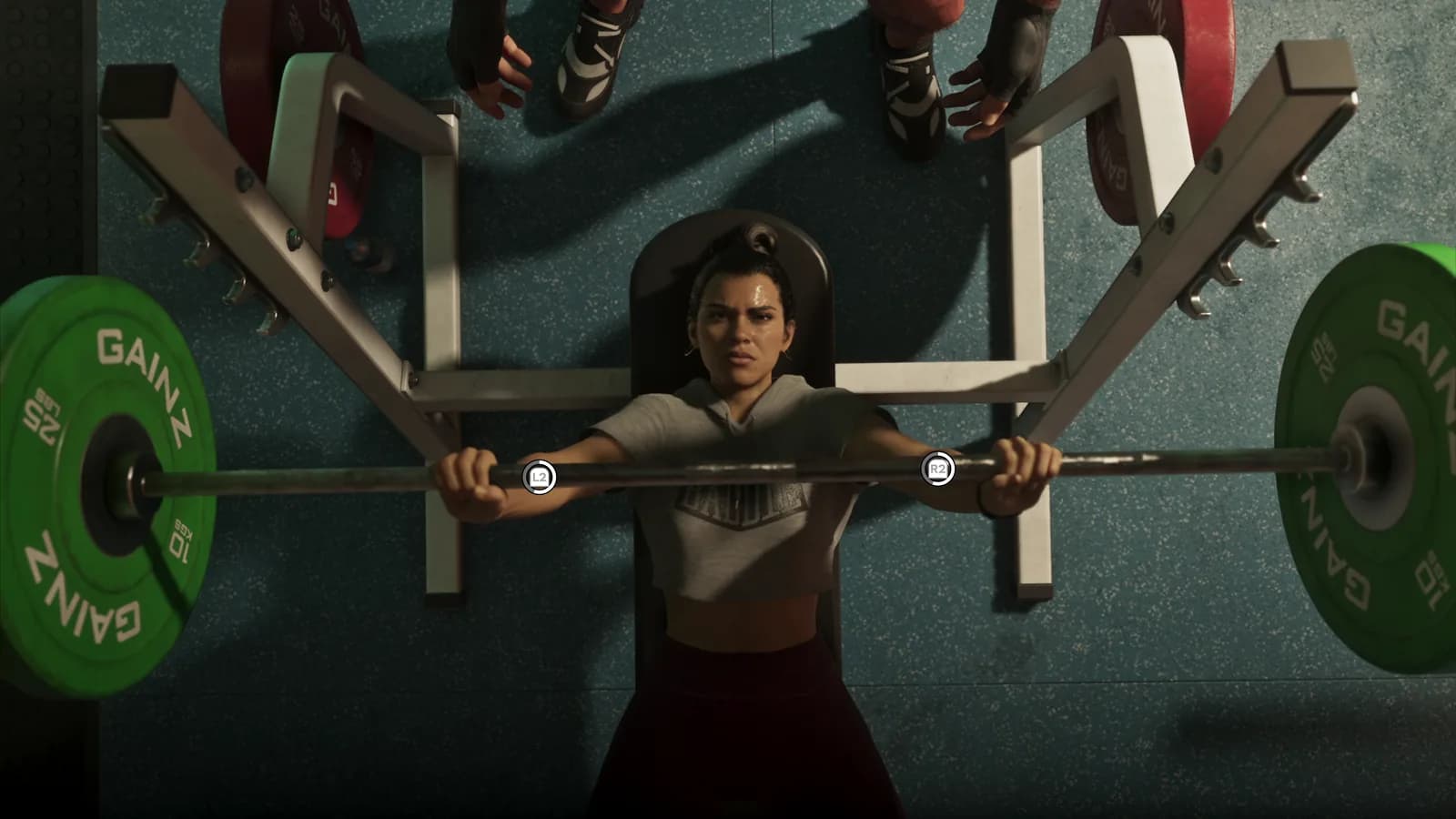
Rain-slick streets, nightclub lighting, daylight beaches and shadowed interiors appear in the same presentation. The strongest visual evidence is consistency across different conditions, not one isolated cinematic shot.
Crowded venues and beaches also suggest that population density is a major part of the target, although crowd behavior and density can still change before release.
What the video does not prove about frame rate
A delivered video can be encoded, edited and motion-blurred in ways that make precise performance measurement unreliable. Rockstar did not announce a 30 fps or 60 fps mode with the Extended Look.
Treat confident frame-rate claims as analysis, not confirmation. Keep our GTA 6 performance page bookmarked for official mode details, and use the frame archive for still-image comparisons.
Sources and verification
We distinguish what is visible in the footage from Rockstar statements and from our interpretation. The video remains the primary source for interface details.